Find Buyers for Export: Your Guide to Global Sales
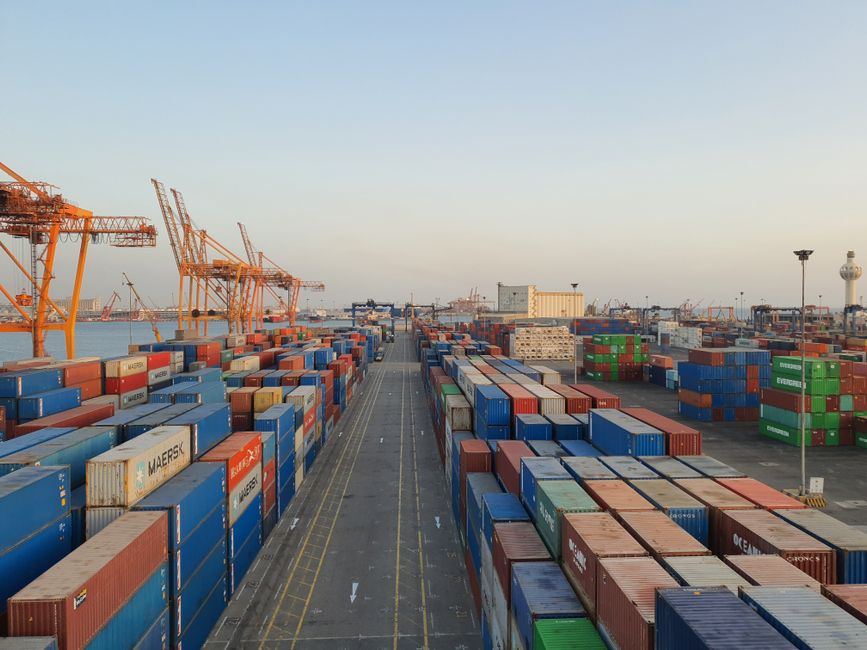
Finding buyers for export means identifying the right markets, locating qualified distributors or retailers, and building relationships that lead to orders. Most businesses start by researching which countries already import their product category, then use trade databases, industry associations, and direct outreach to connect with potential partners.
Start with market research, not a list of countries
Market research for export narrows the field to countries where your product fits demand, pricing, and regulations. Look at import data for your product category, check tariff rates, and review local competition. A country with high import volume but strict labeling rules or entrenched competitors may not be the best first choice. Focus on markets where your product solves a problem or fills a gap.
Use trade databases and government resources
Trade databases like Panjiva, ImportGenius, and Kompass list active importers by product category and country. Many governments offer free export assistance: the U.S. Commercial Service provides market reports and buyer lists, and similar agencies exist in Canada, the UK, and Australia. Industry associations often maintain member directories that include international contacts.
Decide between distributors and direct sales
Distributors buy your product and resell it locally, handling logistics, compliance, and customer service. Direct sales to retailers or end users give you more control but require more resources. Most manufacturers start with distributors to test a market, then expand to direct relationships once volume justifies the effort.
Reach out with a clear value proposition
Cold outreach works when the message is specific. Explain what your product does, why it fits the local market, and what you need from the distributor (minimum order quantities, exclusivity terms, marketing support). Attach a product sheet with specs, pricing, and lead times. Follow up twice if you hear nothing, then move to the next contact.
Vet buyers before committing
Check business registration, request references from other suppliers, and verify financial stability through credit reports or bank references. Ask about their distribution network, existing product lines, and sales targets. A distributor with complementary products and established retail relationships will move your product faster than one starting from scratch.
Consider an outsourced export team for faster market entry
Building an in-house export department takes time and payroll. OutsourcedExport.com offers an alternative: a ready-made export team that handles market research, distributor development, compliance coordination, and international sales management. Their Start Exporting solution uses a sliding-fee structure that steps down as your international sales hit agreed milestones, so you eventually own the operation without a permanent dependency. This approach works for businesses that want to enter new markets without hiring internally or waiting months to build expertise.
Track results and adjust your approach
Measure how many inquiries convert to orders, how long the sales cycle takes, and which markets respond fastest. If a distributor places one order then goes silent, find out why: pricing, product fit, or lack of local demand. Use what works in one market to improve your approach in the next.
Common obstacles and how to handle them
Language barriers slow communication but rarely stop deals. Use simple English, confirm details in writing, and hire a translator for contracts. Payment terms matter: letters of credit protect both sides when trust is new. Shipping delays happen, so build buffer time into delivery promises and keep buyers updated.
Finding export buyers is methodical work. Research the market, reach out to qualified contacts, vet them carefully, and support the relationship once orders start. Businesses that treat export development as a process, not a one-time effort, build reliable international revenue.
Frequently asked questions
How long does it take to find a qualified export buyer?
Initial outreach to first order typically takes three to six months. The timeline depends on product complexity, market familiarity, and how quickly you can provide samples, pricing, and documentation.
Should I offer exclusive distribution rights to the first buyer?
Start with a trial period or limited exclusivity tied to minimum sales targets. Full exclusivity makes sense once a distributor proves they can move volume and invest in marketing.
What if I can't afford to travel to meet buyers in person?
Video calls work for initial discussions and relationship building. Plan one in-person visit after a distributor places their first order to strengthen the partnership and see how your product is positioned locally.
How do I know if a market is too competitive for my product?
High competition is not always a dealbreaker. Check if competitors serve the same customer segment or if your product offers better quality, pricing, or features. A crowded market with no direct equivalent to your product can be an opportunity.
Can I use the same sales materials for every export market?
Core product information stays the same, but adjust messaging, units of measure, certifications, and case studies to match local expectations. A U.S. food product sheet needs different compliance details for Europe than for Asia.